Cognitive Analytic Therapy (CAT). “CAT especially is a model I find incredibly useful across many different concerns. It helps people understand their ways of relating to themselves and others and the patterns in which they can become stuck in order to foster change and work on ‘exits’ to these patterns.”
Additionally she has experience of offering:
She has worked in more specialist treatment service in secondary care community settings (see below).
Her treatment experience is wide-ranging, including low intensity Cognitive Behavioural Therapy (CBT) interventions in primary care up to group work in inpatient settings.
Dr Georgie Burnett has worked alongside a variety of client groups including:
“I work in an integrative way and adapt to different needs of each person. I truly appreciate that there is a spectrum of mental health.
I aim to offer:
I want to help someone towards:
I have developed my therapeutic skills from my different work settings.
I offer:
As a Psychologist, formulation is a cornerstone of my practice.
Being trained in different approaches has been useful in having other ideas to draw on when faced with more complex presentations.
Developing an effective and professional therapeutic relationship I feel is one of the most essential and rewarding aspects of my work. I have always been drawn to this aspect of my role and take time and consideration to do this with each client, sharing interpretations tentatively, using unsaid information ‘in the room’ and building the trust between us.
Where possible, and appropriate, I have tried to include a service user’s family or friends in our work to support the individual’s wider network in understanding their concerns, so we are all on the same page and in-session insights and changes are able to be transferred ‘outside’.
My
were further developed from my time working in the community mental health team (CMHT) setting the NHS. This was after my experience working in other settings too (see below).
I was fortunate enough to have the opportunity to complete further therapy and supervision training whilst working in the mental health team. Continuing Professional Development (CPD) is essential for all clinical psychologists.
Following this post, I have worked in an Adult Eating Disorders team. In this role, there is the need to hold many factors in mind; motivation, readiness for change, physical health, risk of self-harm and suicide, among others. This role has expanded my ability to manage different risks and co-ordinate input from different services to keep the client safe and feeling supported.
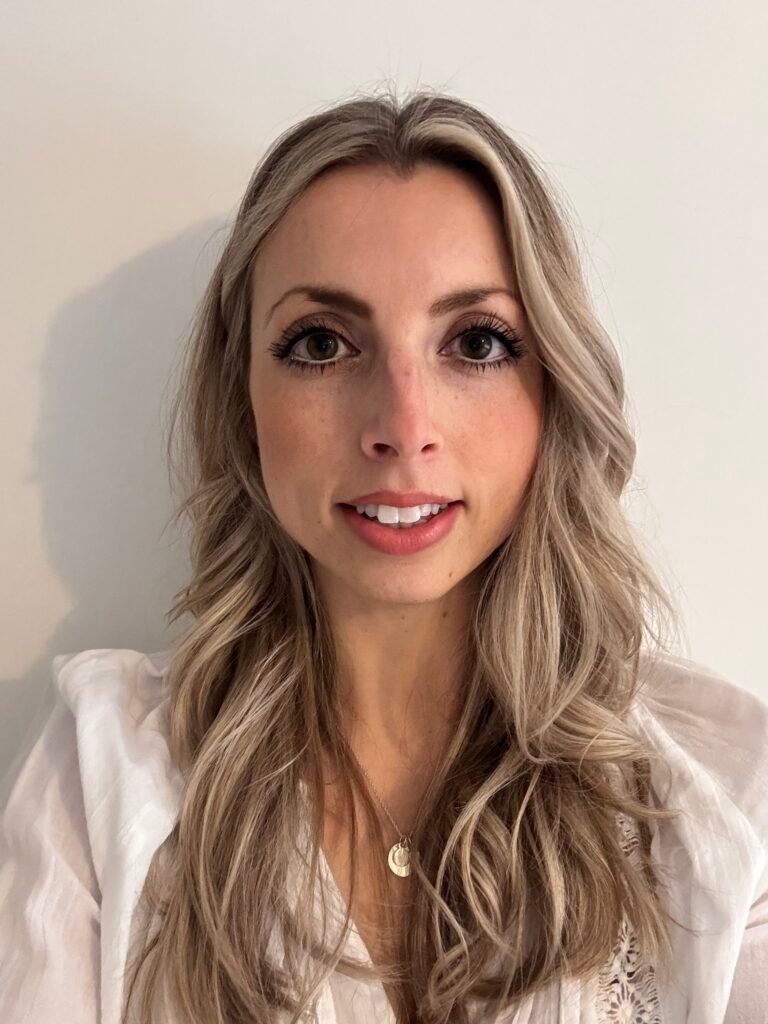
Dr Georgie Burnett is a HCPC registered Clinical Psychologist.
She has worked in various adult mental health roles since 2014 and as a practicing qualified Psychologist in the NHS since 2021.
She started her career in Psychology, working on mental health wards ranging from adult and child eating disorders, general adult and child/adolescent wards, and addictions.
Dr Georgie Burnett held both support worker and Assistant Psychologist posts in this setting. This were incredibly useful experience for her to build her clinical skills that she still draws on today.
The Clinical Psychology Doctorate was completed at the University of Leeds in 2021. This required the completion of five clinical placements (the final being one year long), coursework and successful completion of her thesis. This was on understanding the use and perception of social media in young people who have self-harmed.
Following completion of the doctorate, she worked for a number of years in a community mental health team (CMHT) and then within an Adult Eating Disorders team
Please keep an eye out for our reply in your spam folder.
Dr Georgie Burnett has relatively recently joined us.
We will post testimonials here when they become available.
